
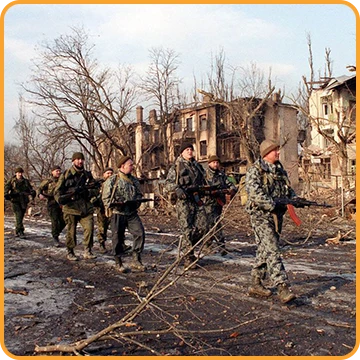
The Harsh Realities of Soviet Military Life: A Personal Account
The Soviet Union, a land of strict order, heavy propaganda, and a rigid military system, shaped the lives of millions. For many young men, compulsory military service was a rite of passage, but one that came at a high price. In Dreamchaser, Yakov Rozenberg offers an unflinching look at his time in the Soviet military, providing readers with a visceral and emotional account of the brutality, hardships, and the deep psychological toll of serving in one of the world’s most feared regimes.
Rozenberg’s story is not just about military training; it’s about survival. The Soviet military was a machine that consumed its soldiers, chewed them up, and spat them out either broken or hardened. Through his vivid storytelling, Rozenberg transports us into his boots, letting us experience the raw emotions of fear, helplessness, anger, and, ultimately, the survival instinct that he and many others had to tap into.
The Unforgiving Nature of the Soviet Military
From the moment, Rozenberg and his comrades entered the Soviet military; they were thrust into a world of harsh discipline and dehumanizing practices. The first shock came not from the training itself but from the system that surrounded them. The recruits were treated as expendable, mere pawns in a game they did not fully understand. The Soviet military’s approach was simple: break the individual down, strip them of their identity, and rebuild them into a perfect soldier. The brutality was not just physical; it was psychological.
Rozenberg recalls the first days of his training, when he and his fellow soldiers were ordered to shave their heads and clean the disgusting latrines as punishment. What was meant to be a minor punishment became a constant, one that humiliated and exhausted them daily? The smell of human waste, the sight of maggots, and the endless hours of cleaning were a stark reminder that these young men were not individuals but cogs in a cold, unforgiving machine.
The Relentless Drill Sergeants
The relationship between soldiers and their superiors in the Soviet military was another level of cruelty. The sergeants were not mentors or guides they were aggressors, punishing recruits for any perceived shortcomings. Rozenberg details the harsh conditions under which he and his comrades worked: constant drills, endless hours of marching, and constant psychological torment from superiors. The drill sergeants had a singular goal: to break the soldiers’ spirits and rebuild them as obedient servants of the state.
One particularly chilling episode involves the recruits being ordered to clean the latrines. Rozenberg describes a vile, filthy bathroom with human waste scattered everywhere, the stench so overpowering it made soldiers vomit. It was the first of many humiliations that would come to define the experience of being a soldier under Soviet rule. But this wasn’t just about cleaning; it was about stripping away any sense of dignity and humanity. It was a battle of wills—who could endure the most, who would give in first.
The sergeants didn’t just break soldiers physically; they attacked their minds. Rozenberg recalls one drill where he was told to march for hours under unbearable heat, all the while being subjected to verbal abuse. The goal was not to train the soldiers but to see who would crack first. The sheer mental exhaustion and the inability to predict what would happen next left many soldiers in a state of constant anxiety and dread.
The Psychological Toll of Constant Humiliation
Soviet military life wasn’t just about physical endurance; it was about the war being waged inside the mind. The constant verbal assaults, physical punishments, and the unrelenting pressure to conform to the state’s expectations left deep scars on those who served. Rozenberg’s account provides an intimate look at how military life in the USSR eroded the soldier’s sense of self.
For Rozenberg, and for many like him, the brutal training and degrading treatment created a mental landscape where survival became the only goal. He writes about the mental exhaustion that comes from being constantly watched, scrutinized, and humiliated. But even in despair, Rozenberg found ways to fight back, even if it was just in small, seemingly insignificant acts of resistance. He rebelled not with force but with his mind, navigating the system by playing its own game and learning to manipulate the rules to survive.
One particularly harrowing tale is when Rozenberg and his comrades were forced to carry out an unsanctioned 10K march, which had nothing to do with their training but everything to do with the sergeants’ desire to assert dominance. The conditions were grueling, and yet, Rozenberg survived by using every ounce of his resolve to keep pushing forward. It was in moments like these—where he and his fellow soldiers were treated like animals that Rozenberg’s mind began to shift. Survival was no longer about being a good soldier; it was about maintaining his humanity in a system that sought to strip it away.
From Soldier to Survivor: The Transformation
Rozenberg’s time in the Soviet military fundamentally altered his view of the world. The brutality and the dehumanizing experience forged a new identity in him, one that was shaped by the need to survive. As he rose through the ranks and eventually left the military, Rozenberg realized that his time in the Soviet system had left him scarred, but also stronger.
The lessons he learned in the military weren’t just about discipline or survival; they were about the deep cost of an authoritarian regime. Rozenberg saw firsthand how the military system sought to break down individuals and rebuild them into obedient instruments of the state. The soldiers, whether they liked it or not, became part of a machine designed to crush individuality and pride.
Conclusion: The Enduring Legacy of Soviet Military Service
Yakov Rozenberg’s Dreamchaser is not just a memoir of survival; it is a profound meditation on the psychological and emotional toll of serving in the Soviet military. His experiences highlight the brutal realities of military life under the USSR, where soldiers were subjected to cruelty, humiliation, and dehumanization. Through it all, Rozenberg emerged as a survivor, but not without scars that would last a lifetime.
This account serves as a reminder of the power of resilience in the face of overwhelming adversity. It’s a tribute to those who endured the worst and came out the other side, not unbroken, but stronger. Rozenberg’s story invites us to reflect on the nature of power, the cost of obedience, and the price of survival. In a world where the state holds the power to shape lives, Dreamchaser offers an unforgettable glimpse into the harshest realities of life under one of the most feared regimes in history.